
The essential context.
- Identify whether a claim concerns a molecule, preparation or batch.
- A study citation does not authenticate the item beside it.
- Quality, clinical outcomes and authorisation require different evidence.

Three objects that should not be merged
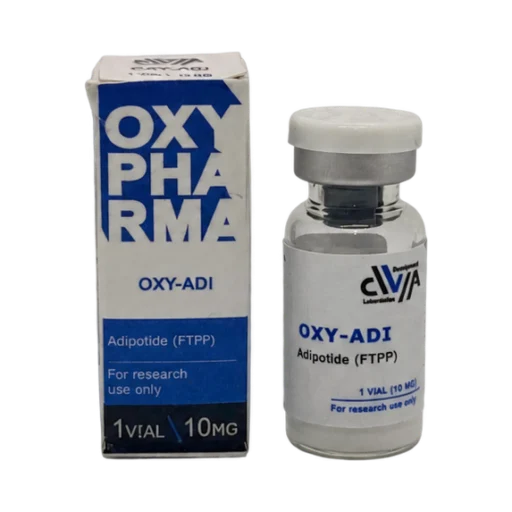
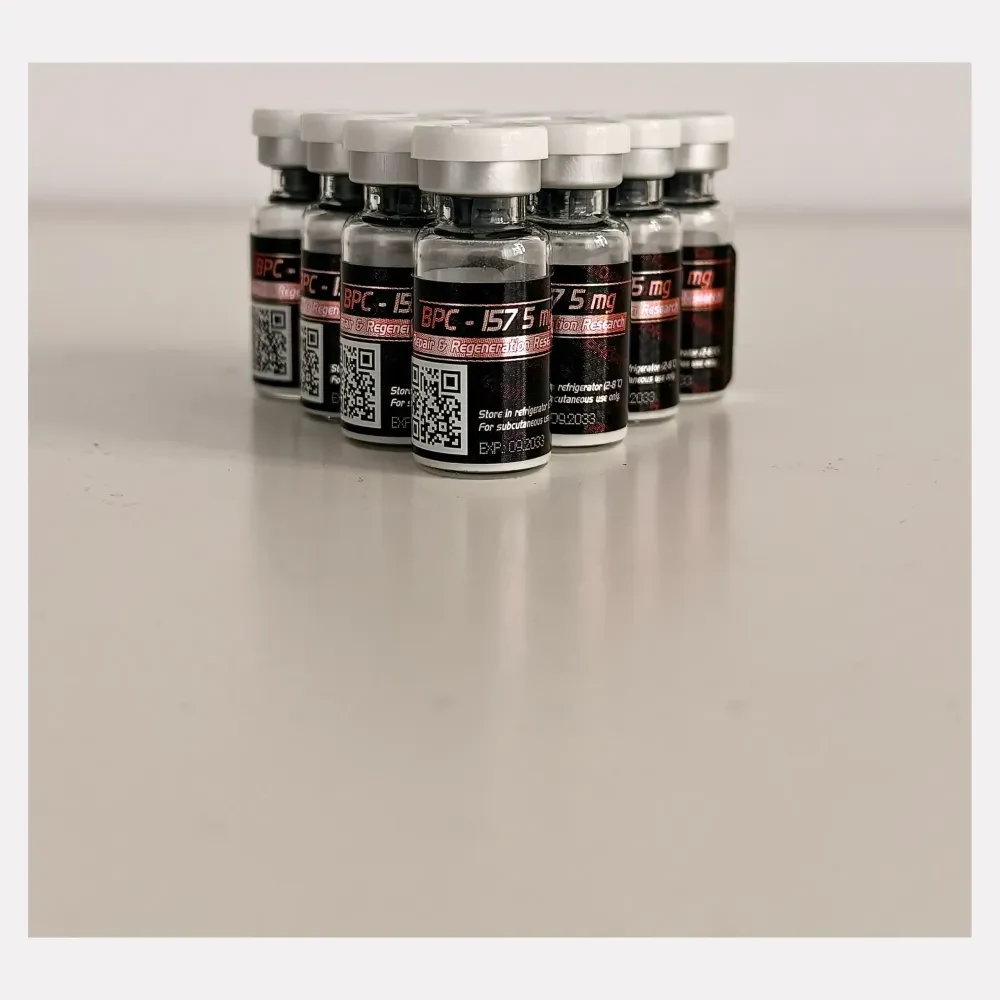
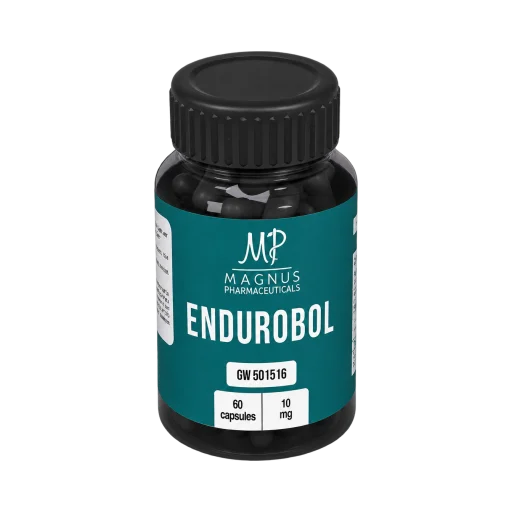
A molecule is a chemical identity. A clinical preparation is the defined material used in a study. A catalogue item is a particular product presentation with its own source, packaging, labelled content and batch history. These objects may be related, but their relationship needs evidence. A matching word in the title is a beginning, not the end, of that comparison.
This matters whether the page concerns Semaglutide, BPC-157 or a SARM. Research may be extensive for one topic and sparse for another, yet the basic identity question remains. Strong evidence for a clinical preparation does not automatically authenticate a separately sourced product with the same molecule name.

A route through the evidence
A conceptual reading map for this topic.
Molecule
A chemical identity
Clinical preparation
The defined study material
Catalogue batch
Requires its own information
Keep the clinical question intact
A study asks a defined question about an intervention in a population over a period of observation. ICH E9 and its estimand addendum formalise the importance of a clear clinical question. For everyday reading, the useful habit is to retain those elements when moving from the paper to a short product summary.
Ask whether the new claim changes the population, the material, the outcome or the time period. Replacing a patient endpoint with a sporting promise is a change of question. So is replacing a controlled preparation with an unidentified vial. Neither change is justified simply by keeping the original study citation at the end of the paragraph.
Analytical evidence checks a different link
Van Wagoner and colleagues' 2017 investigation analysed products marketed online as SARMs and compared contents with labels. It illustrates why the relationship between a product name and an actual sample must be examined independently. The historical findings are not a measurement of this site's present catalogue or of any current batch.
For a specific item, look for traceable product information and a report that matches the selected variant and batch. An unrelated certificate cannot supply that connection. Equally, even a relevant analytical result should be described only within its scope rather than being turned into a universal statement of suitability.
Clinical evidence is one part of a larger assessment
EMA explains medicine evaluation through quality, safety and efficacy information and a benefit–risk assessment for the intended patient group. This is broader than finding a paper with a positive result. A regulator's public information is useful for understanding the distinction, but displaying an organisation's logo or linking to its website does not mean that it endorses a product here.
Avoid using the existence of research as a substitute for a product-specific authorisation statement. If market eligibility has not been established for an item, the catalogue should not imply that a study, report or general educational article has established it.
Use internal links as a route through the evidence
A product description can introduce the labelled material and its specific presentation. A linked molecule overview can explain the research context. A more focused guide can clarify a difficult comparison, such as body composition versus performance or a fragment versus a parent peptide. These links are useful when they answer the next question raised by the text.
The document area then supplies whatever batch-linked information is actually available. Reading these pages in sequence keeps each claim attached to an appropriate source of evidence. It also makes uncertainty easier to recognise: the missing link stays visible instead of being hidden beneath a long list of impressive publication titles.
Sources & further reading
Key publications are named below. The article explains their design, study population and limitations, keeping laboratory findings, clinical results and sports claims in context.
- 01 ICH E9 and E9(R1), statistical principles and estimands for clinical trials, EMA
- 02 Van Wagoner et al., internet SARMs composition study, JAMA, 2017; DOI 10.1001/jama.2017.17069
- 03 EMA, How EMA evaluates medicines for human use: quality, safety and efficacy
Dr. Monica Tatem
Dr. Monica Tatem earned her Ph.D. in Molecular Pharmacology from a leading medical university, followed by postdoctoral research focused on anabolic pathways and cellular signaling. Her scientific work encompasses a comprehensive...
View author profile