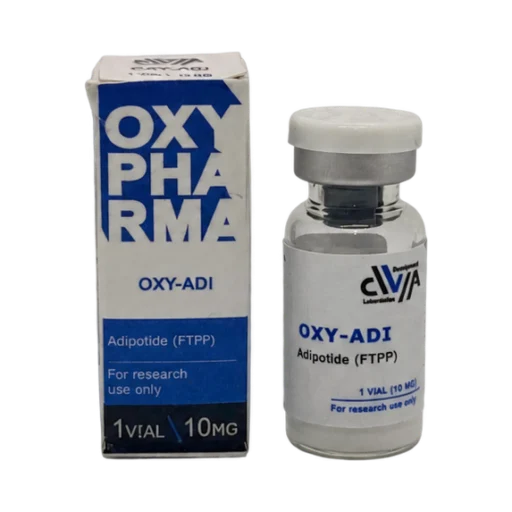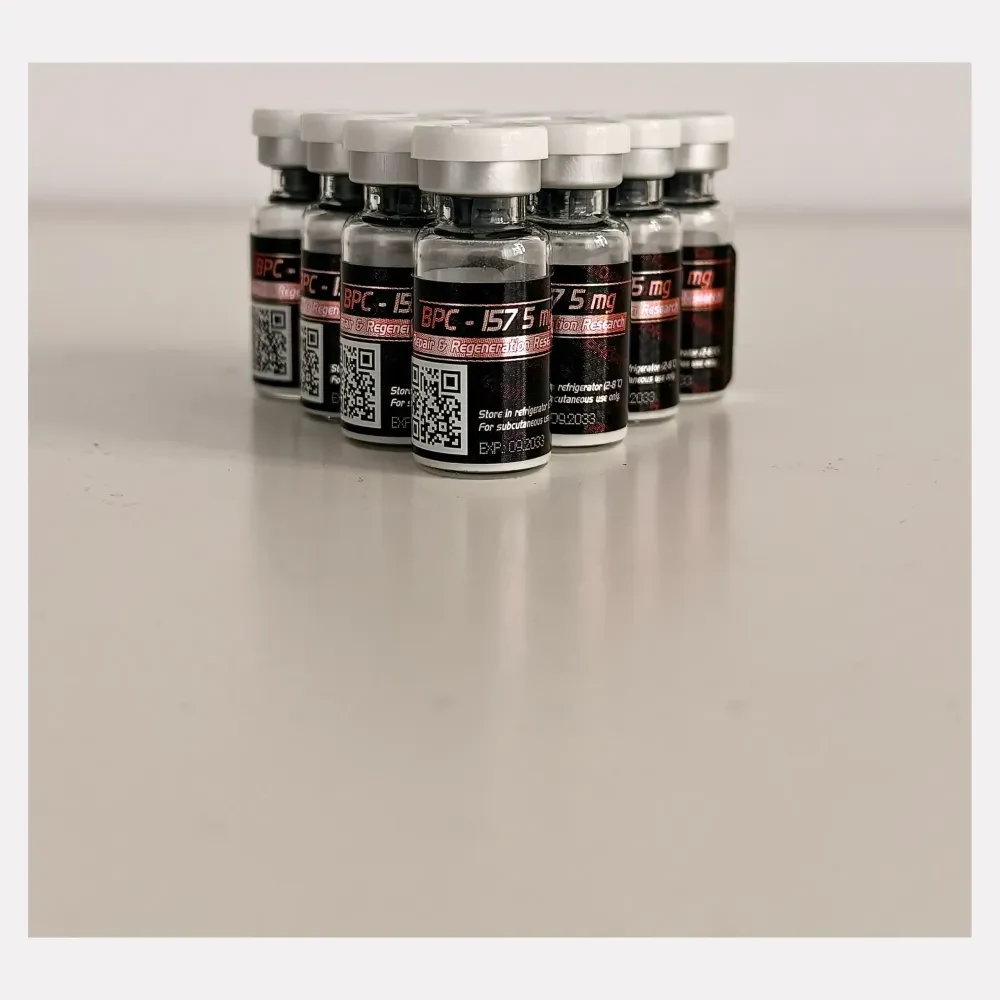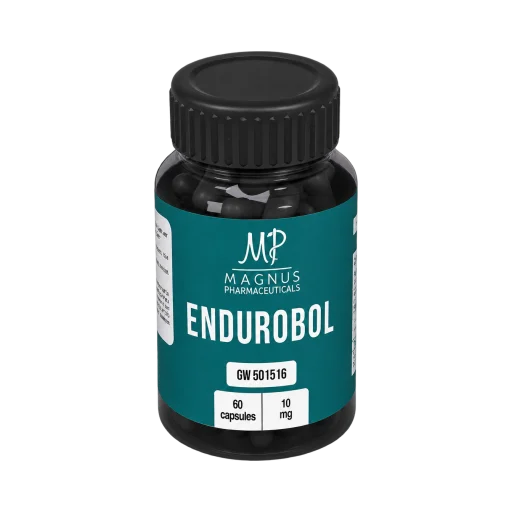

The essential context.
- Match the report to the actual product variant and batch.
- Identity, amount and chromatographic purity answer different questions.
- An analytical report does not establish clinical suitability.

Start with the sample, not the percentage
A report is about a tested sample. Before reading a headline result, look for the sample identifier, batch reference, laboratory, test date and a clear connection to the product presentation. A document for one labelled content option should not silently appear as proof for another. If the page shows several variants, the report's scope needs to remain clear after the option changes.
Also distinguish an original document from a visual demonstration. A certificate-shaped layout can show where information will appear without containing any analytical evidence. Missing identifiers should remain missing, rather than being filled with plausible-looking placeholder values.

A route through the evidence
A conceptual reading map for this topic.
Sample
Match the variant and batch
Method
Identify the measurement purpose
Scope
State what remains untested
Identity, amount and purity are different questions
Identity asks what material was identified. Content or assay asks how much of a defined material was measured. Chromatographic purity describes a result produced by a particular separation and detection method. These fields should not be collapsed into one reassuring word. A high chromatographic percentage alone does not state the amount in a vial or establish every aspect of composition.
For comparison, ask which method was used, what it was intended to measure and how the result is expressed. A report can be useful while still having a narrow scope. Its value comes from that explicit scope, not from the visual prominence of a percentage.
Read the method as part of the result
ICH Q2(R2), effective in the European framework from 2024, concerns validation of analytical procedures. It provides a useful reference for why a method must suit its intended measurement. Citing the guideline on a website does not demonstrate that a particular laboratory method was validated or that a particular product was tested under it.
Look for an intelligible relationship between the stated test and the reported conclusion. A method name without sufficient context should prompt a question, not an automatic pass. Different analytical questions can require different evidence; one test should not be stretched beyond what it actually assesses.
A specification is more than a decorative pass mark
ICH Q6A addresses specifications through tests, procedures and acceptance criteria. For a reader, the important distinction is between a measured value and the rule used to evaluate it. A green pass symbol without the relevant context can hide more than it explains. The product's selected presentation and the report's sample description should still agree.
Quality also has dimensions beyond a single composition measurement. The FDA's December 2024 peptide-immunogenicity presentation discusses product-related factors in a separate safety context. A narrow report should not be interpreted as a complete assessment of every quality or biological risk.
Use the report for the question it can answer
A batch document can support a stated analytical finding for a traceable sample. It does not establish sporting benefit, an appropriate medical use or authorisation in every destination market. Those questions belong to different evidence and decisions. A research publication cannot repair missing sample traceability, just as a laboratory report cannot supply a missing clinical outcome.
On this site, move between the selected product option, the available batch record and the related research overview. Keep the purpose of each page separate. If the report cannot be matched to the actual variant or batch, the correct conclusion is that the match remains unconfirmed, regardless of how impressive the document looks.
Sources & further reading
Key publications are named below. The article explains their design, study population and limitations, keeping laboratory findings, clinical results and sports claims in context.
- 01 ICH Q2(R2), Validation of analytical procedures, EMA, effective 2024
- 02 ICH Q6A, Specifications, test procedures and acceptance criteria, EMA
- 03 FDA, December 2024 PCAC presentations on peptide immunogenicity and AOD-9604
Dr. Monica Tatem
Dr. Monica Tatem earned her Ph.D. in Molecular Pharmacology from a leading medical university, followed by postdoctoral research focused on anabolic pathways and cellular signaling. Her scientific work encompasses a comprehensive...
View author profile