
The essential context.
- Ask what is being compared before accepting 'selective'.
- Receptor binding, tissue responses and clinical outcomes differ.
- A favourable experimental ratio is not a personal safety guarantee.
Selective compared with what?
The word selective needs a reference point. It may describe stronger binding to one receptor than to others, a larger response in one tissue than another, or a particular pattern of gene activation in an experimental system. These are useful research descriptions, but they answer different questions. A product headline often leaves the comparison unstated.
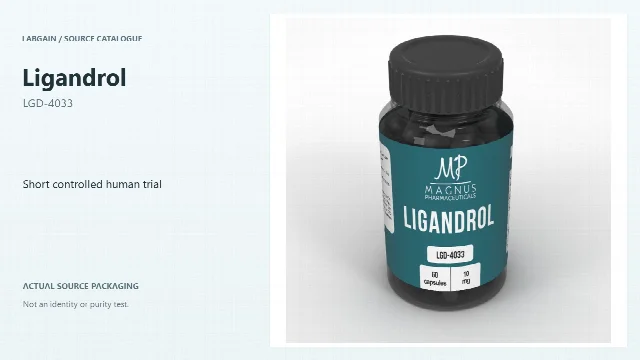
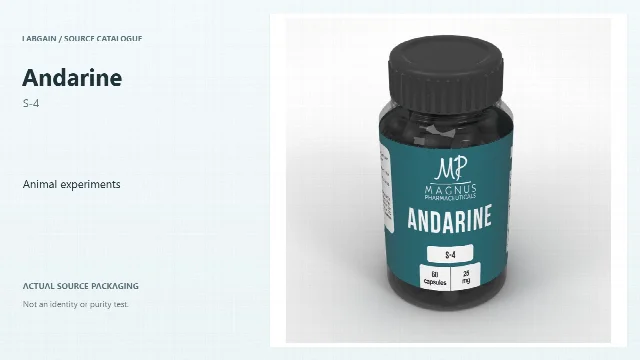
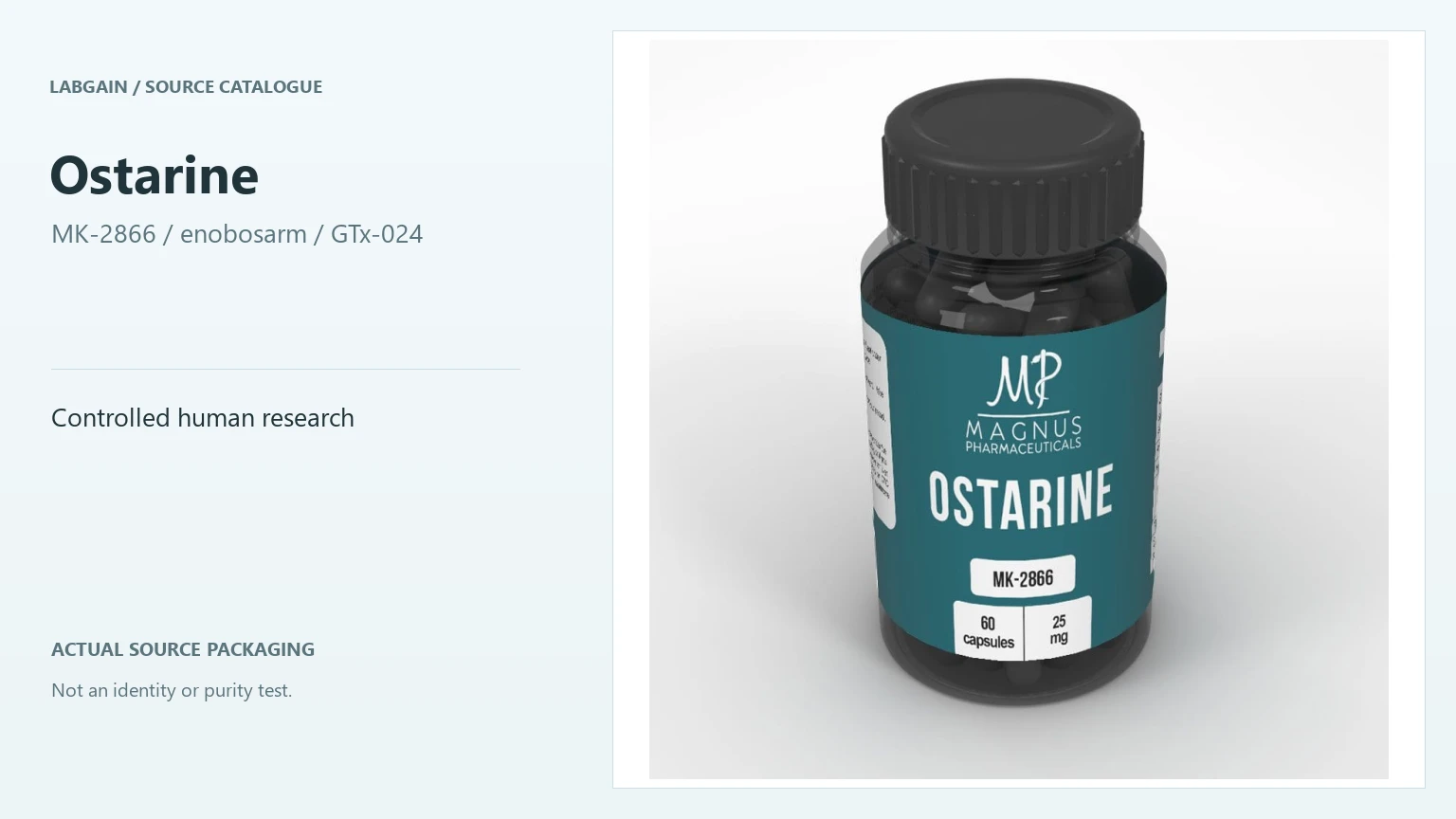
When reading about Ostarine or Ligandrol, look for the comparator, the model and the measured endpoint before interpreting the adjective. A phrase such as muscle selective is incomplete without knowing how muscle was assessed and what was measured elsewhere. The same principle applies to Andarine and RAD-140.

A route through the evidence
A conceptual reading map for this topic.
Receptor interaction
An assay-level question
Tissue response
A different biological level
Clinical outcome
Requires relevant human evidence
Binding is one step in a longer chain
A molecule can interact with a target in an assay without producing the same effect in an intact organism. Cells differ in receptor abundance, regulatory proteins and the surrounding hormonal environment. Exposure also changes over time. For a reader, the important distinction is between an experiment that identifies an interaction and one that demonstrates a useful, reproducible outcome.
An illustrative diagram can show this chain, but it should not turn arrows into measured facts. The steps from receptor interaction to tissue response and then to physical performance each require evidence. Skipping the intermediate steps makes a clean graphic look more conclusive than the underlying research.
Endocrine findings still belong in the comparison
Basaria and colleagues' 2013 LGD-4033 study reported endocrine and lipid changes alongside body-composition measurements. That combination is a reminder to read the whole outcome set rather than isolating the favourable headline. It does not establish the frequency of complications in different populations or unmonitored settings.
Questions about reproductive signalling, liver health or metabolic effects cannot be answered simply by pointing to receptor selectivity. They need their own suitable measurements and follow-up. A reassuring result in a limited assessment also should not be presented as a conclusion about every tissue, every exposure or the effects of combining unrelated compounds.
A human endpoint has a specific population
Dalton and colleagues' 2011 enobosarm study examined older men and postmenopausal women and included a physical-function endpoint. Its context should travel with any summary. The presence of a human study is valuable, but it is not permission to replace that population with trained young athletes or to replace the measured task with a different sporting outcome.
This is where comparisons between Ostarine and Ligandrol need particular care. Differences in study design can explain apparently different results. Without a suitable direct comparison, a catalogue cannot responsibly convert separate papers into a league table of effectiveness or a hierarchy of safety.
Read claims as a set of testable questions
A useful claim can be unpacked into a target, a defined population, an intervention, an outcome and a period of observation. ICH E9 and its estimand addendum provide a formal framework for making clinical questions explicit. Applying that reading habit does not certify an investigational product; it improves the questions asked of its evidence.
On a product page, a restrained explanation of selectivity should therefore sit beside the evidence level and its limitations. Follow the linked molecule overview when the comparison concerns biology, and the batch information when the question concerns the actual item. Neither page should be asked to answer a question it was not built to resolve.
Sources & further reading
Follow the original publications and records behind this overview. Each source answers a specific question; no single record establishes every aspect of a compound or product.
- 01 Basaria et al., LGD-4033 trial, J Gerontol A, 2013; DOI 10.1093/gerona/gls078
- 02 Dalton et al., GTx-024 phase II trial, JCSM, 2011; DOI 10.1007/s13539-011-0034-6
- 03 ICH E9 and E9(R1), statistical principles and estimands for clinical trials, EMA
Dr. Monica Tatem
Dr. Monica Tatem earned her Ph.D. in Molecular Pharmacology from a leading medical university, followed by postdoctoral research focused on anabolic pathways and cellular signaling. Her scientific work encompasses a comprehensive...
View author profile