
The essential context.
- Compare the research question before comparing headline percentages.
- A newer phase does not make different trial designs equivalent.
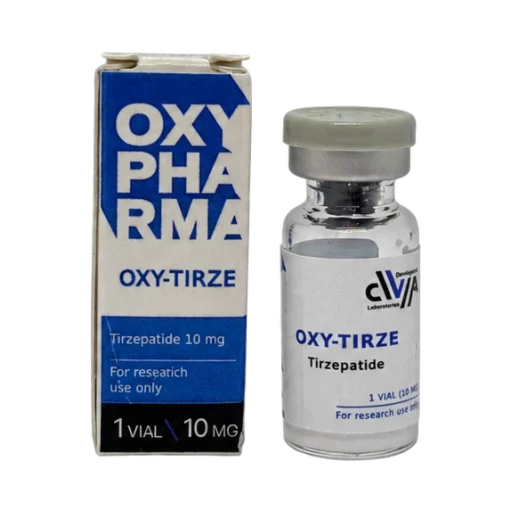
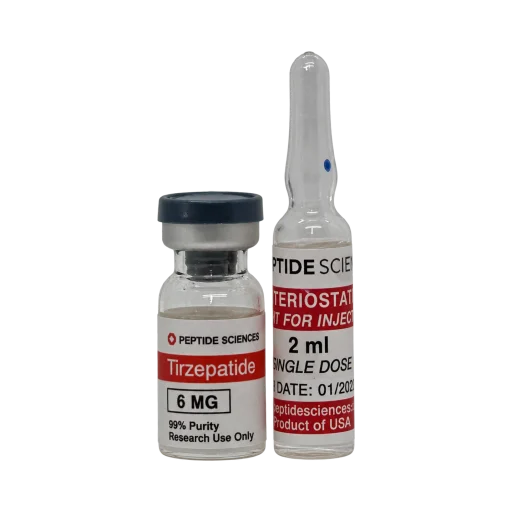
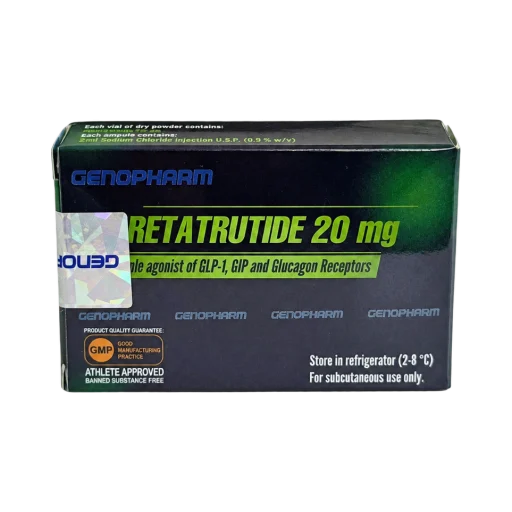
- A clinical preparation is not authenticated by a matching catalogue name.
Begin with the people and the question
A weight-management trial is built around a defined population and a planned question. Diabetes status, associated conditions, previous treatment and the setting of care can change what its findings mean. A result in a population with obesity should not quietly become an estimate for a lean athlete seeking a different body composition.
The first task is to write a one-sentence description of the study before reading its most prominent number. Include who was enrolled, what was compared and when the outcome was measured. If those elements are missing from a comparison table, the table is not yet ready to support a meaningful ranking.
A route through the evidence
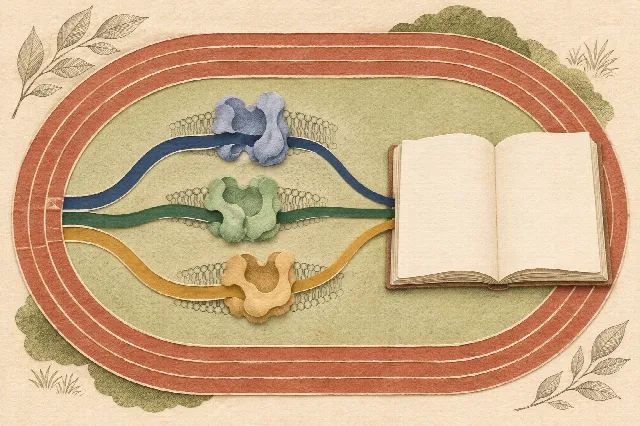
A conceptual reading map for this topic.
Population
Who was enrolled?
Comparator
What was compared?
Endpoint
What and when was measured?
Keep the study names attached
Wilding and colleagues' STEP 1 publication in 2021 investigated Semaglutide, while Jastreboff and colleagues' SURMOUNT-1 report in 2022 investigated Tirzepatide. Both concern weight-management research, but they are separate trials with their own designs. Their names are useful anchors when returning from a summary to the original methods.
A catalogue should distinguish a finding within one trial from a direct comparison between molecules. Separate placebo-controlled studies do not become a head-to-head experiment because their results are placed on the same webpage. The comparator and the analysis population should remain visible even when the description is short.
Update the evidence stage without erasing history
Retatrutide research includes the 2023 phase 2 report and the later TRIUMPH-1 phase 3 publication by Jastreboff and colleagues in 2026. Describing the evidence as only phase 2 would now miss a newer primary publication. The existence of that publication does not, by itself, answer every question about an individual catalogue item or its market status.
For each update, identify what changed: the population, sample, duration, endpoints or available follow-up. Do not replace an older paragraph with the word proven. A new study adds specific information, and its contribution should be described at that level.
A related appetite pathway is not the same molecule
Cagrilintide is discussed as an amylin analogue rather than as another GLP-1 analogue. Lau and colleagues published a phase 2 weight-management trial in 2021. Its presence near Semaglutide in the research literature is a reason to explain the distinction, not to merge their mechanisms or assume that every combination listing reproduces a studied preparation.
The number of receptor names in a mechanism description is not a universal score for benefit or safety. A diagram can organise the targets, but only a relevant study can connect a particular preparation to a particular outcome. A combination introduces its own evidence question.
Read discontinuation and product identity too
Headline weight change is only part of the information. Look for tolerability, treatment discontinuation, handling of missing measurements and what happened after the observation period. The 2026 Retatrutide report also records gastrointestinal adverse events; those belong beside the efficacy summary rather than in a disconnected footnote.
Finally, separate the clinical material from the catalogue presentation. A similar name or labelled amount cannot demonstrate matching formulation, stability or batch quality. The product page should record what is actually known about the item and link to research for context. This preserves the value of the studies without presenting them as authentication of an unrelated vial.
Sources & further reading
Follow the original publications and records behind this overview. Each source answers a specific question; no single record establishes every aspect of a compound or product.
- 01 Wilding et al., STEP 1 semaglutide trial, NEJM, 2021; DOI 10.1056/NEJMoa2032183
- 02 Jastreboff et al., SURMOUNT-1 tirzepatide trial, NEJM, 2022; DOI 10.1056/NEJMoa2206038
- 03 Jastreboff et al., retatrutide phase 2 trial, NEJM, 2023; DOI 10.1056/NEJMoa2301972
- 04 Jastreboff et al., TRIUMPH-1 retatrutide phase 3 trial, NEJM, 2026; DOI 10.1056/NEJMoa2604169
- 05 Lau et al., cagrilintide phase 2 weight-management trial, Lancet, 2021; PMID 34798060
Dr. Monica Tatem
Dr. Monica Tatem earned her Ph.D. in Molecular Pharmacology from a leading medical university, followed by postdoctoral research focused on anabolic pathways and cellular signaling. Her scientific work encompasses a comprehensive...
View author profile