
The essential context.
- SURMOUNT-1 establishes an obesity-treatment effect, not a bodybuilding indication.
- The DXA substudy found reductions in fat and lean mass; lean mass is not a direct measure of muscle function.
- Appetite and gastrointestinal effects can create training-related trade-offs.

Why athletes and physique communities discuss it
Tirzepatide attracts attention where lower body fat or a weight category matters. Appetite reduction can appear attractive to someone who finds a restricted diet difficult, but ease of eating less is not equivalent to sporting suitability. A person being treated for obesity may gain health benefits that have little to do with an already lean athlete's goals. The relevant question is whether health and function improve together. Describing the substance simply as a fat-loss tool leaves out the starting population, loss of other tissues and tolerability.
Reading a body-composition result
The measured compartments answer different questions.
Body weight
A total, not a tissue diagnosis
Fat mass
Adipose change on a scan
Lean mass
Includes more than skeletal muscle
Function
Requires strength and performance outcomes
A clinical drug mechanism is not an anabolic mechanism
Tirzepatide activates GIP and GLP-1 receptors and is the active substance in the authorised medicine Mounjaro. The EMA product information concerns a defined finished medicine and specified clinical uses, not every product using the same ingredient name. Its weight-management evidence does not establish increased muscle-protein synthesis, accelerated tendon repair or improved exercise adaptation. Metabolic treatment can support a patient's health without being an ergogenic intervention. Equating less appetite with better training recovery reverses the question that needs to be investigated.
The studies that matter for the body-composition discussion
Jastreboff and colleagues' SURMOUNT-1 trial, published in the New England Journal of Medicine in 2022, randomised 2,539 adults with obesity or overweight and a weight-related complication, without diabetes. Over 72 weeks it found greater weight reduction than placebo alongside lifestyle intervention. It was not a trial of competitive athletes.
Look and colleagues' 2025 Diabetes, Obesity and Metabolism DXA substudy included 160 participants with paired scans. Both fat mass and lean mass decreased. Approximately three quarters of the weight lost was fat and one quarter lean mass in both treatment and placebo groups. DXA cannot identify all of that lean change as contractile muscle, and those proportions are not a guarantee for another individual.
Possible benefits and why the lean-mass question stays open
Substantial reduction of excess adiposity can be clinically valuable. For sport, however, a more favourable fat-to-lean ratio can coexist with an absolute loss of lean tissue. Reporting only the percentage of the body that is lean can therefore mislead. A smaller denominator can improve a ratio without increasing muscle. Whether strength, fatigue resistance and training quality are preserved requires functional assessment. The substudy cannot answer every question about highly trained people, rapid weight manipulation or long-term sport participation.
| Claim | Evidence | Limit |
|---|---|---|
| Lower fat mass | Observed in the DXA substudy | Does not mean all lost weight was fat |
| Muscle preservation | Not established by the lean-mass ratio | Strength and tissue composition need separate measurements |
| Better training | Not the trial endpoint | Appetite and adverse effects may also matter |
Risks and costs relevant to a training schedule
The EMA identifies gastrointestinal adverse effects such as nausea, vomiting and diarrhoea, and includes precautions concerning pancreatitis and dehydration. Hypoglycaemia is particularly relevant with certain other glucose-lowering medicines. These are medical considerations, not inconveniences to overcome for a cut. In an active person, difficulty eating or retaining fluids may interfere with training and recovery; that sporting consequence is a clinical inference rather than a quantified performance finding. Symptoms should be discussed with the prescriber, especially alongside other medicines or persistent severe abdominal pain.
What a balanced sporting assessment should contain
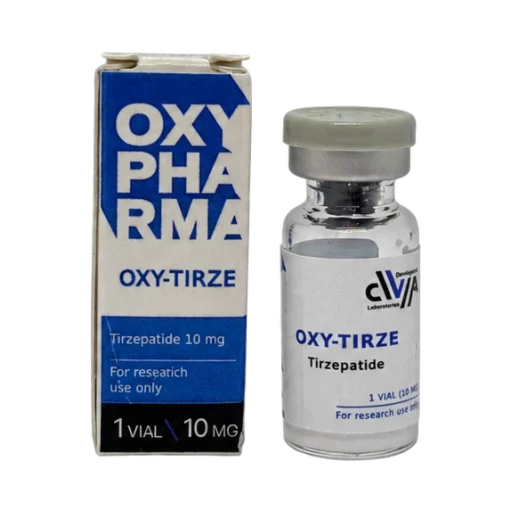
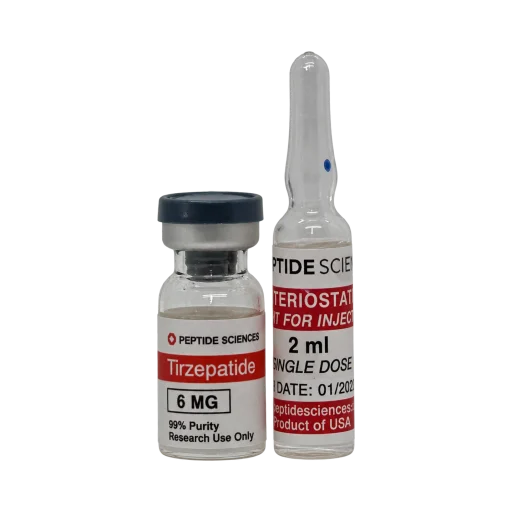
A useful assessment separates the therapeutic aim from a cosmetic or competitive target. It considers actual function, symptoms and the sustainability of a change, rather than treating the lowest possible weight as success. The evidence does not justify calling tirzepatide a muscle-preserving anabolic agent. It also does not make all weight management medically inappropriate: the decision depends on a genuine indication and professional assessment. For athletes, medication rules require an independent current check, and commercial vial labels do not authenticate a studied finished medicine.
Tirzepatide is included in the WADA 2026 Monitoring Program. Monitoring is distinct from prohibition and does not itself make a substance banned.
Frequently asked questions
Does tirzepatide preserve all muscle?
That is not established. The DXA substudy found a reduction in lean mass as well as fat mass, without directly resolving every muscle-function question.
Is Mounjaro evidence evidence for every vial?
No. Product identity, formulation and quality remain separate from knowledge about an active substance.
Sources & further reading
Follow the original publications and records behind this overview. Each source answers a specific question; no single record establishes every aspect of a compound or product.
- 01 Jastreboff et al. (2022), NEJM: SURMOUNT-1; PMID 35658024
- 02 Look et al. (2025), Diabetes Obesity and Metabolism: SURMOUNT-1 DXA substudy; PMID 39996356
- 03 EMA: Mounjaro product information, tirzepatide
- 04 WADA (2026): Monitoring Program
Dr. Monica Tatem
Dr. Monica Tatem earned her Ph.D. in Molecular Pharmacology from a leading medical university, followed by postdoctoral research focused on anabolic pathways and cellular signaling. Her scientific work encompasses a comprehensive...
View author profile